What Is the Connection Between ProDentim and the Oral Microbiome?
ProDentim and the oral microbiome are connected through the manufacturer’s description of the product as an oral probiotic supplement designed to support a balanced environment in the mouth. ProDentim is marketed in a dissolving candy format and contains selected probiotic strains alongside other ingredients.
The oral microbiome is the community of microorganisms that live in the mouth. These include bacteria and other microbes that interact with one another and with the environment around them.
The manufacturer presents ProDentim as a product intended to support oral health by focusing on this microbial environment. However, this intended purpose does not, by itself, prove that ProDentim changes the oral microbiome in a particular way or produces a specific health outcome.
Understanding the difference between the general science of the oral microbiome and claims about an individual supplement can help consumers make informed decisions.
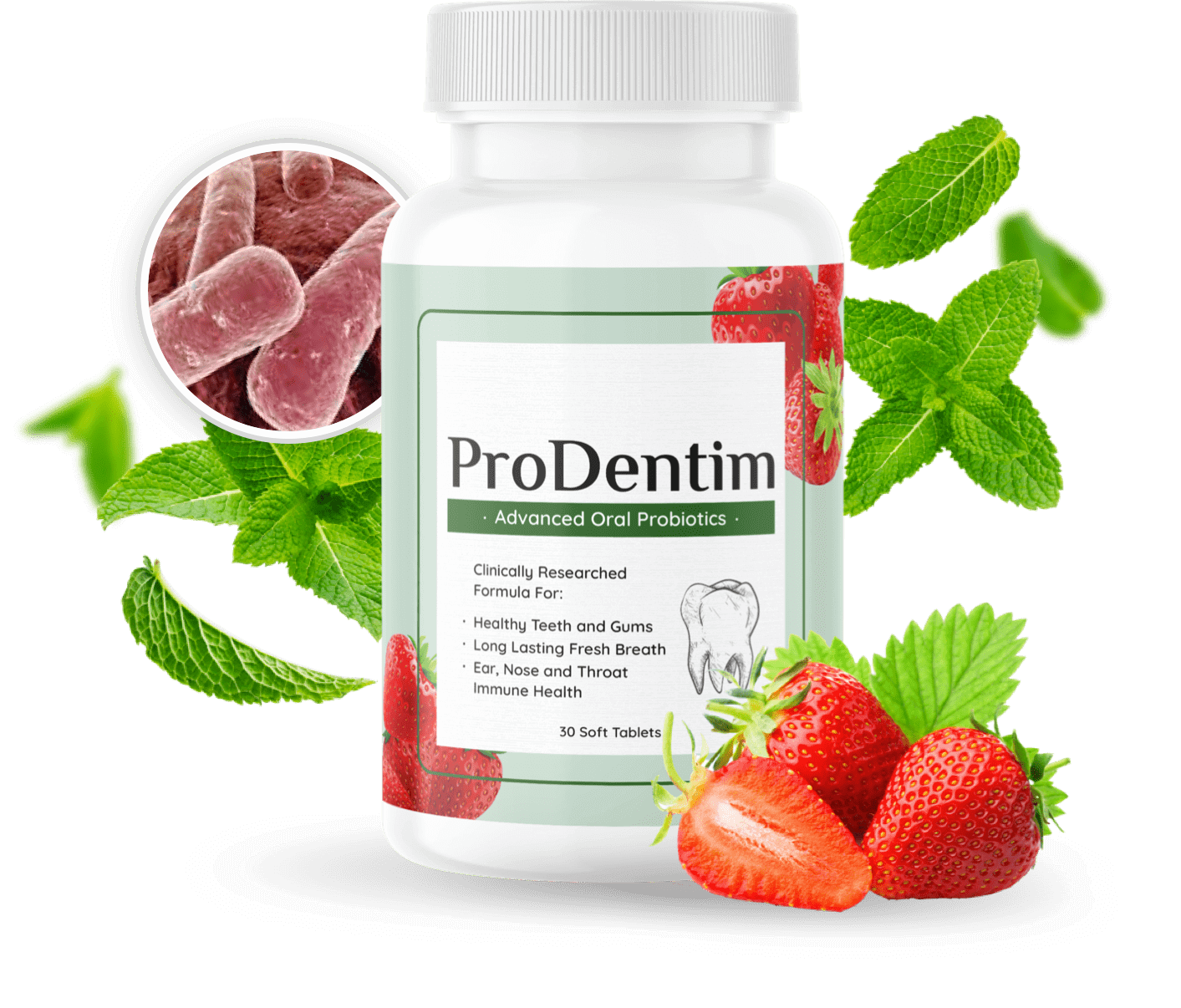
ProDentim
A probiotic supplement marketed by the manufacturer around oral health and the balance of bacteria in the mouth.
- Contains approximately 3.5 billion probiotic microorganisms, according to the manufacturer.
- Includes Lactobacillus paracasei, Bifidobacterium lactis BL-04® and Lactobacillus reuteri.
- Marketed by the manufacturer to support gum and tooth health.
- Available in a chewable format.
DentalHealthMed may earn a commission if you purchase through this link, at no additional cost to you.
What Is the Oral Microbiome?
The oral microbiome refers to the microorganisms living in different areas of the mouth, including the tongue, teeth, gums, and other oral surfaces.
These microorganisms form a complex community. Many are part of normal oral ecology, so the goal of good oral health is not to eliminate all bacteria. Instead, oral health depends on a range of factors that influence the mouth’s environment and the relationships among microorganisms.
Factors that can affect the oral microbiome include:
- Daily oral hygiene: Brushing and cleaning between the teeth help remove plaque and food debris.
- Diet: The frequency and type of foods and drinks consumed can affect conditions in the mouth.
- Saliva: Saliva helps lubricate the mouth and contributes to its natural protective functions.
- Smoking and tobacco use: These can negatively affect oral health.
- Medications and health conditions: Some can influence saliva production or other aspects of the oral environment.
- Individual differences: Each person’s oral microbiome can vary.
The oral microbiome is only one part of oral health. Tooth structure, gum condition, hygiene habits, and professional dental care remain important.
How Are Probiotics Related to the Oral Microbiome?
Probiotics are live microorganisms that, when administered in adequate amounts, may provide a health benefit in specific circumstances. Their effects are not identical across all strains or products.
Research into oral probiotics explores whether selected microorganisms may influence the oral environment or particular oral-health outcomes. The effects depend on the strain, amount, formulation, study population, and outcome being measured.
It is therefore important not to treat all probiotics as interchangeable. Evidence about one strain or supplement does not automatically demonstrate that another product will have the same effect.
ProDentim is marketed as an oral probiotic supplement, but its specific effects should be assessed using evidence relevant to its own formulation rather than general statements about probiotics.
How Is ProDentim Designed to Work?
According to the manufacturer, ProDentim is designed to support oral health by providing selected probiotic strains in a dissolving candy format.
The product’s marketing focuses on supporting the balance of bacteria in the mouth and maintaining a healthy oral environment. This is the manufacturer’s stated approach to the product.
However, a supplement’s design and intended purpose are different from proof of its actual effects. The presence of probiotic strains in a formula does not independently establish that the finished product changes the oral microbiome, improves gum health, reduces bad breath, or produces other specific outcomes.
To assess such claims, it is important to consider reliable evidence on the actual product, its strains, dosage, formulation, and the health outcomes studied.
Which Probiotic Strains Are Listed in ProDentim?
The manufacturer lists three probiotic strains in ProDentim’s formula:
- Lactobacillus paracasei
- B. lactis BL-04®
- Lactobacillus reuteri
These are the probiotic strains identified in the product information supplied by the manufacturer. The formula also lists other ingredients, including inulin, malic acid, tricalcium phosphate, and peppermint.
The inclusion of these ingredients describes the product’s composition. It does not establish that the formula will produce a particular change in an individual’s oral microbiome or guarantee a measurable health benefit.
When reviewing a probiotic supplement, consumers should consider the exact strains and amounts listed on the current label and look for evidence relevant to the finished formulation and intended use.
What Role Does Inulin Play in the Formula?
Inulin is a type of dietary fiber commonly used as a prebiotic ingredient. Prebiotics and probiotics are related concepts, but they are not the same.
Probiotics are live microorganisms, while prebiotics are substances that can be used selectively by microorganisms in ways associated with a health benefit under appropriate conditions.
The presence of inulin in ProDentim’s formula does not automatically establish a specific effect on the oral microbiome. Its role in a particular product depends on the formulation and the evidence supporting the intended use.
Consumers should avoid assuming that an ingredient’s general properties prove the effectiveness of every product containing it.
Can ProDentim Change the Balance of Bacteria in the Mouth?
The manufacturer presents ProDentim as a supplement intended to support the balance of bacteria in the mouth. However, it is important to distinguish this marketing claim from a verified change in the oral microbiome.
Microbial communities are complex and can differ between individuals and locations within the mouth. Demonstrating that a product changes these communities requires appropriate testing. Establishing that a change leads to a meaningful health benefit requires further evidence relevant to the outcome.
For this reason, it would be misleading to promise that ProDentim will restore, rebalance, or optimize a person’s oral microbiome. The product’s intended purpose should not be confused with a guaranteed result.
Does the Oral Microbiome Affect Teeth and Gums?
The oral microbiome is relevant to dental health, but oral conditions are influenced by multiple factors.
Dental plaque is a microbial community that forms on tooth surfaces. If plaque is not removed regularly, it can contribute to problems such as tooth decay and gum inflammation. Diet, saliva, oral hygiene, and individual risk factors also influence these conditions.
Maintaining good oral health involves more than taking a probiotic supplement. Brushing with fluoride toothpaste, cleaning between teeth, limiting frequent sugar exposure, and attending routine dental appointments remain important.
ProDentim should not be considered a replacement for these practices or for treatment recommended by a dentist.
What Are the Limitations of Claims About ProDentim and the Oral Microbiome?
General research into probiotics and the oral microbiome does not automatically establish the effectiveness of a specific commercial supplement.
When evaluating a claim about ProDentim, consider the following questions:
- Is the evidence about ProDentim itself or a different probiotic product?
- Are the specific strains and amounts comparable?
- Was the claimed health outcome actually measured?
- Were the results obtained in reliable human studies?
- Do the findings support the particular claim being made?
Without relevant evidence, claims about changing the oral microbiome or improving specific dental outcomes should not be treated as established facts.
The product’s disclaimer states that its claims have not been evaluated by the U.S. Food and Drug Administration (FDA), and that it is not intended to diagnose, treat, cure, or prevent any disease.
How Can You Support a Healthy Oral Environment?
Daily habits remain central to oral health, regardless of whether someone chooses to use an oral probiotic supplement.
Helpful practices include:
- Brush twice daily with fluoride toothpaste.
- Clean between your teeth every day.
- Drink water regularly and pay attention to persistent dry mouth.
- Limit frequent consumption of sugary foods and drinks.
- Avoid tobacco products.
- Follow your dentist’s recommendations for examinations and professional cleanings.
- Seek professional advice if you notice persistent bleeding, swelling, tooth pain, or ongoing bad breath.
If you are considering ProDentim, review the ingredient list and manufacturer’s directions. Consult a healthcare professional before use if you have a medical condition, take medication, or are pregnant or breastfeeding.
Frequently Asked Questions About ProDentim and the Oral Microbiome
What is the oral microbiome?
The oral microbiome is the community of microorganisms living in the mouth. Its composition can vary between individuals and is influenced by factors such as hygiene, diet, saliva, medications, and health conditions.
How is ProDentim designed to work?
The manufacturer describes ProDentim as an oral probiotic supplement intended to support oral health and the balance of bacteria in the mouth. This describes the product’s intended purpose, not a guaranteed or independently established outcome.
Which probiotic strains are listed in ProDentim?
The manufacturer lists Lactobacillus paracasei, B. lactis BL-04®, and Lactobacillus reuteri. Check the current product label for the complete ingredient information.
Does ProDentim restore the oral microbiome?
A guaranteed restoration or rebalancing effect should not be assumed. Such a claim would require reliable evidence specific to the product and the outcome being measured.
Are probiotics and prebiotics the same?
No. Probiotics are live microorganisms that may provide health benefits in specific circumstances. Prebiotics are substances that can be used selectively by microorganisms in ways associated with a health benefit under appropriate conditions. ProDentim’s listed formula includes probiotic strains and inulin, a type of dietary fiber commonly used as a prebiotic ingredient.
Can ProDentim replace brushing and flossing?
No. ProDentim should not replace brushing with fluoride toothpaste, cleaning between teeth, routine dental visits, or professional care when needed.
Should I use ProDentim to address a dental problem?
Do not rely on ProDentim to diagnose or treat a dental condition. If you have persistent symptoms or suspect a dental problem, consult a dentist for an appropriate assessment.